

Mount Batur Sunrise Trekking Tips for Beginners
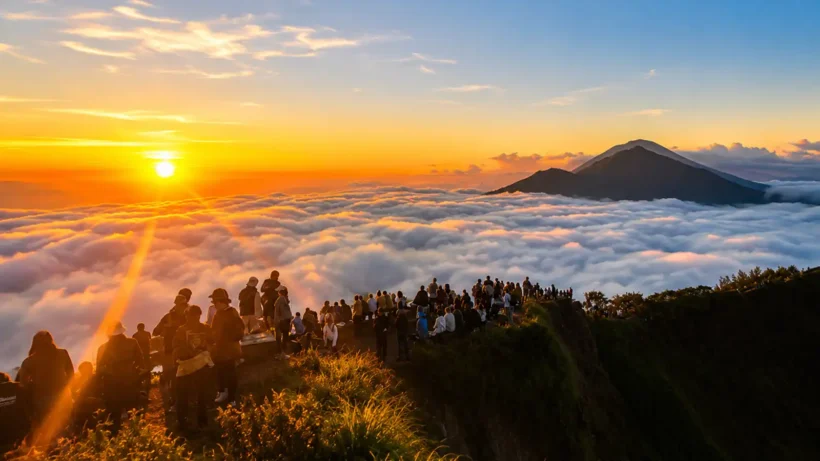
Mount Batur sunrise trekking is worth choosing. The mountain stands about 1,717 meters above sea level. You can get to the summit in 2 hours maximum. The climb is possible for beginners with reasonable preparation. Starting before dawn also means walking in darkness. Good shoes and suitable clothing make a real difference. Make a good plan to have a good trip.
Essential Logistics and Rules
A successful trip starts with a few practical decisions. Do not forget to learn about the transportation and local requirements. These details are best confirmed before the departure day.
Important Guides
Important rules cannot be ignored. Independent hiking may be restricted under local arrangements. An authorized guide can help with navigation and difficult sections. A group guiding services range from IDR 300,000 to 600,000. Prices depend on the arrangement. Ask whether the fee covers everyone in your group. Confirm any additional charges before paying.
Permits and Fees
Some packages include these expenses. Others require separate payments. Ask for a clear price breakdown before booking. Check the latest rates with the provider. This helps prevent confusion at the trailhead. It also makes comparing different packages easier.
Departure Time
The route will affect the timing. Allow enough time to reach the starting point. The climb can take longer when the trail is crowded. Beginners may also need extra breaks. Start at a comfortable pace.
Best Season
April to October generally brings drier conditions. The ground may be easier to walk. Rain is more common between November and March. Wet soil can make the trail slippery. Fog may also affect visibility. Check the local forecast before leaving. Clear sunrise views are never guaranteed.
What to Wear and Pack
The temperature can change during the hike. The starting point may feel comfortable. The summit can be much colder before sunrise. Choose clothing that works for walking outdoors.
Layering
Wear a breathable shirt as your base layer. Bring a sweater or fleece for extra warmth. A windproof jacket provides additional protection. Temperatures may fall to around 12°C to 15°C. Wind can make the summit feel colder. Several light layers are easier to manage. Remove a layer when the air becomes warmer.
Footwear
Choose shoes with a strong grip. Hiking boots and trail running shoes are suitable options. Avoid footwear with smooth soles. Loose volcanic gravel can cause slips. The descent also requires careful steps. Stones may move beneath your feet. Wear shoes that already feel comfortable. Avoid testing new footwear on the mountain.
Lighting and Gear
Bring a reliable headlamp. It keeps your hands free while walking. Check the battery before leaving your accommodation. A charged phone can serve as a backup. Its flashlight may not provide enough light. Keep your equipment easy to reach.
Supplies
Carry enough water for the journey. Around 1 to 1.5 liters may suit many hikers. Pack a small snack as well. Bananas and energy bars are easy to carry. Some packages provide a simple breakfast at the summit. Confirm this before departure. Bring extra food if breakfast is not included.
Climb Preparation
Try walking regularly before your trip. Stair climbing is another useful activity. Walking uphill can also prepare your legs. These simple exercises help you get used to sustained movement.
Focus on your next few steps. Do not worry too much about the distance remaining. Walk slowly on steep sections. Take breaks when necessary. Tell your guide if you start feeling unwell. Severe dizziness or chest pain should never be ignored. Unusual breathing difficulties also require attention. Stop and seek help when serious symptoms occur.
The descent deserves equal care. Loose gravel can make downhill walking difficult. Keep your steps short and controlled. Leave enough space between yourself and other hikers. Follow your guide’s instructions on uneven ground. Reaching the summit is only half the journey. A safe return should remain the priority.
Useful Resources and Alternatives
Good information makes preparation easier. Look for recent details about transport and trekking arrangements. Confirm important information directly with the local provider.
The checklist:
- Pickup point and departure time.
- Check whether return transport is included.
- Ask about guide fees and entrance permits.
- Find out whether a headlamp is provided.
- Read the cancellation policy for bad weather.
- Prepare enough water and light snacks.
- Pack suitable clothing for cold conditions.
- Tell your guide about relevant physical limitations.
Read a Mount Batur sunrise trekking guide. Compare its advice with current local information. Pay attention to trail access and package details. These practical matters can change over time.
Make Your Sunrise Trek More Enjoyable
Get enough sleep the night before. Arrange your clothes and equipment in advance. Keep your backpack light. Eat a suitable meal before departure. Begin the climb slowly. Take breaks whenever necessary.
The sunrise itself depends on the weather. Clouds may cover the horizon. Fog can also reduce visibility. These conditions are beyond your control. Enjoy the landscape. Experience walking through the mountains before daylight.
Check the guide arrangements and transport details. Ask about extra fees and equipment. These details matter more than attractive photographs alone. First-time hikers should prioritize safety and clear arrangements. This Mount Batur sunrise trekking reference is useful for your visit. Confirm the latest details before starting the journey.