
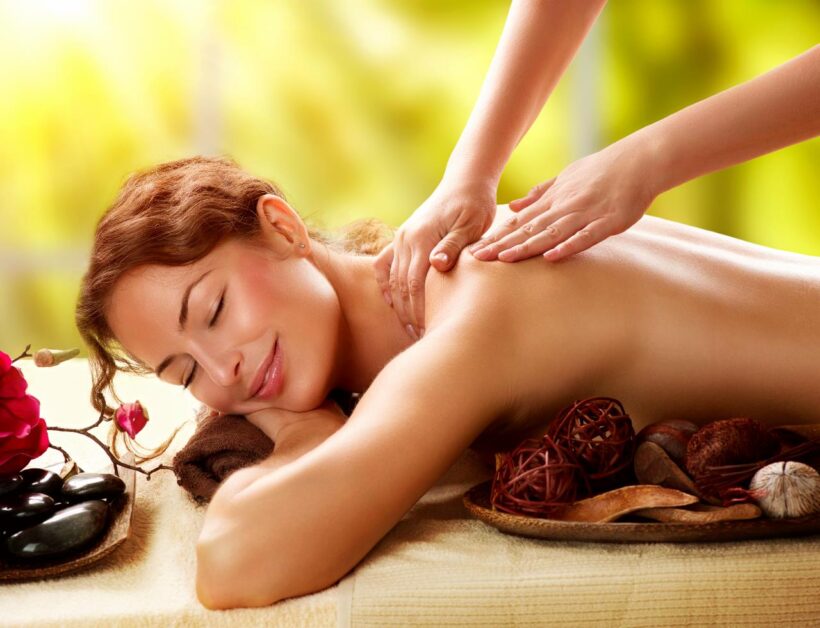
Experienced therapist spa understand that the quality of their service is greatly influenced by their ability to understand each client’s needs. By establishing clear communication from the start, therapists can understand preferences, limitations, and any special conditions that need to be addressed during the session.
Personal Approach
A more personalized approach, from the choice of massage technique to the intensity of pressure, makes the experience much more meaningful. A calm, tidy, and professional environment also plays a significant role in promoting relaxation, making every touch feel more effective. When the atmosphere and service are well-combined, clients can experience a more comfortable and overall satisfying session.
Pre-Session Method
Before beginning a session, thorough preparation is crucial for a maximal client experience. With a structured approach, each step can contribute to the comfort and effectiveness of the therapy.
Clearly Define Goals
Discuss the client’s expectations and needs beforehand, whether they desire complete relaxation, tension relief in specific areas, or increased mobility. Knowing these goals allows the therapist to more precisely adjust the massage technique and intensity, resulting in a more noticeable session.
Clarifying goals also builds good communication and trust between the client and therapist, so the client feels heard and valued from the beginning of the session.
Thorough Health Check
Always review the client’s medical history, previous injuries, medications, and potential allergies. This information not only ensures the client’s safety but also helps determine the most appropriate massage technique. A thorough assessment also gives the therapist a deeper understanding of the client’s condition, allowing for a more personalized and effective approach throughout the session.
Maintain a Healing Atmosphere
Ensure the therapy room is comfortable with soft lighting, soothing music, and aromatherapy as desired. A calming environment helps clients mentally and physically adapt to a state of optimal relaxation. A clean and organized room also conveys a professional impression, boosts client confidence, and supports the therapist’s focus during treatment.
Addressing Client Needs
Encourage clients to drink enough fluids, eat a light snack before the session, and arrive early to calm down. These simple steps help clients relax their bodies and minds before the massage begins. This preparation allows clients to more easily release tension, allowing each massage technique to be applied optimally without physical or emotional hindrance.
During-Session Methods
During the session, therapist spa must give complete attention to detail and client comfort are key to success. A focused and personalized approach ensures each movement has an optimal effect.
Transparent Communication
Continuously check the client’s comfort regarding pressure, temperature, and massage sensation. A simple traffic light system, such as green for comfortable, yellow for adjusting, and red for stopping, can facilitate client feedback. This active interaction reinforces a sense of security and ensures the session progresses according to the client’s wishes, increasing satisfaction and therapeutic outcomes.
Employ Specific Techniques
Don’t use the same massage pattern for every person. Use a variety of methods, such as Swedish massage, deep tissue massage, myofascial release, or trigger points, to suit the client’s needs. Selecting the right technique enhances the effectiveness of therapy, helps address specific issues, and provides a more personalized and invigorating experience.
Focus and Intimacy
The therapist must be fully present, feeling every movement through their hands. This concentration allows for precise massage and precise contact with tension points. This mindful approach also fosters a deeper interaction between therapist and client, making the session more meaningful.
Encourage Passive Relaxation
Guide clients to release muscle control and allow their bodies to feel heavy. Gently remind them not to assist with moving their limbs, as this can reduce the effectiveness of the relaxation. This technique helps the client’s body reach a deeper state of calm, allowing each therapist’s touch to be more effective in relieving tension.
Conscious Breathing
Encourage clients to focus on deep, steady breathing to stimulate the parasympathetic nervous system, triggering deeper relaxation. Awareness of breathing also helps clients release stress and enhances the body’s response to the massage.
Prioritize Quality
Perform each movement at a calm, controlled tempo to effectively work the muscle tissue. Prioritizing precision and rhythm is far more beneficial than rushing through a routine, maximizing the therapeutic effect.
Post-Session Methods
After a session, follow-up steps can prolong the benefits of the massage and maintain client comfort.
Provide Care Suggestions
Provide simple tips, such as adequate hydration, gentle stretching, or applying a warm compress to tense areas. These suggestions help clients maintain the therapeutic effects longer, while also supporting daily well-being and relaxation.
Provide Transition Time
Encourage clients to take a short break before leaving the therapy table, or linger in the relaxation room if available. This transition time allows the body to fully absorb the benefits of the session, leaving clients feeling refreshed and calm.
Maintain a Fixed and Regular Schedule
Encourage booking regular sessions to ensure the cumulative effects of therapy, especially for chronic conditions. A consistent schedule helps establish a sustainable pattern of relaxation and well-being, making subsequent sessions more effective.
Seek Feedback for Development
Listen to clients’ comments and impressions after sessions. This helps therapists evaluate techniques and adjust their approaches in the future. Feedback also builds a stronger professional relationship, increasing client trust and comfort for future sessions.
Sharpen Your Skills
Providing an optimal massage experience requires the right combination of skill, attention, and communication. If you want to hone your skills to become a therapist spa who excels in every session, Mandara Spa Training Center offers comprehensive training that helps develop techniques, professional ethics, and client relationship building skills. Join now to improve the quality of your service and provide an unforgettable spa experience for every client.